
Expert surgeons
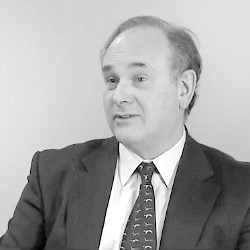
Mr Paul Rosen
BSc(Hons), MB ChB, FRCS, FRCOphth, MBA
Consultant Ophthalmic Surgeon
Eye surgery available in London and the Southeast
This eye treatment is available in:
Lens Replacement
The Problem
Presbyopia is part of the normal ageing process and results in blurring of near vision. As we age the muscles supporting the lens of our eye become less able to focus the lens for near vision as the lens becomes harder and less flexible. That is why most otherwise normally sighted people find that they need reading glasses in their late 40s or 50s.
How does presbyopia affect vision?
You may be beginning to notice your near vision isn’t quite as good as it once was. The young lens can adjust so that it can focus at distance and near, but as we age our lens becomes less flexible.
As a result, your eye is less able to see near objects so we need reading glasses.
If you have hyperopia (longsightedness), you might have worn glasses all your life for distance vision. Now, you need bifocals or varifocals.
People with myopia (shortsightedness) often take their glasses off to read. If this sounds familiar, then Lens Replacement may be right for you.
The Treatment
We can correct Presbyopia by exchanging your natural lens with an artificial lens. We call that procedure Lens Replacement.
What is Lens Replacement?
Your natural lens is no longer focusing. The implant will focus for life.
Eye surgeons have proven the surgical technique we use in Lens Replacement for decades. That’s because the procedure itself is similar to that used to treat cataract patients. The only difference between a cataract patient and a Lens Replacement patient is the clarity of the lens before surgery. In a cataract patient, their lens is more opaque causing problems with vision at all distances. In the Lens Replacement patient, their lens is no longer focusing, but is not yet opaque enough to give symptoms. Both conditions result from ageing and very often occur together.
Get in touch
The best way to figure out your options is to give us a call on: 01865 513 483 and we can help answer any questions you have.
As seen in








What patients say
Frequently asked questions
Weekly eye treatment updates
We regularly share updates and video blog posts on the most common eye treatments