
Expert surgeons
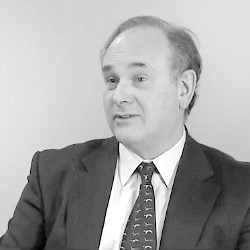
Mr Paul Rosen
BSc(Hons), MB ChB, FRCS, FRCOphth, MBA
Consultant Ophthalmic Surgeon
Eye surgery available in London and the Southeast
This eye treatment is available in:
Lens Replacement Safety
How safe is the procedure?
In Lens Replacement we combine lens technology with a well proven surgical procedure. Every year in the UK alone over 350,000 people undergo cataract surgery. In cataract surgery, we replace the lens with a lens implant. We use the same surgical techniques required for Lens Replacement. We are experienced surgeons in both the procedure itself and understand the new technology.
As with all surgery, there are risks. Cataract surgery is one of the quickest and safest surgical interventions available. It’s still surgery.
Lens Replacement is the same procedure in a patient with minimal cataract. The vast majority of patients achieve excellent results without complications. Still, Lens Replacement is a surgical procedure.
As with all forms of eye surgery, Lens Replacement has risks. While we make every effort to cut them we cannot eliminate them.
You can discuss these risks further with your surgeon. In the end, only you can determine if the benefits of having Lens Replacement are worth the risk after careful discussion with your surgeon. Lens Replacement is as an elective procedure. You can choose instead to wear glasses, bifocals or contact lenses.
The most important risks associated with Lens Replacement are:
Infection:
Every time we make an incision in an eye, an infection can occur inside the eye. Eye infections have the potential to cause severe visual loss. This problem is extremely rare, and our rate of eye infection is less than 0.015%. We use antibiotics during surgery and post-operatively, we prescribe eye drops to help reduce this risk further. You must use these as we direct.
Haemorrhage:
This is very rare, and occurs at the time of surgery and less likely with modern surgical techniques. It can have a significant impact on sight.
Retinal detachment:
Retinal detachment is when the retina detaches from its normal position and is more common in short sighted patients without surgery. Retinal detachment can result in loss of vision if we cannot correct it. The relative risk of retinal detachment in the general population is 0.01 % per year and a myopic patient has a higher risk than this.
However it is common for patients undergoing Lens Replacement surgery to have already developed a detachment of the vitreous gel, the first part of developing a retinal detachment, without a retinal detachment occurring and therefore making it unlikely to occur with Lens Replacement.
Macular Oedema:
Macular Oedema is an accumulation of fluid in the central retina. It is not uncommon in a minor form and can cause temporary (or very rarely) permanent reduction in vision after surgery and can cause temporary or permanent reduction in vision after surgery. The postoperative eye drops help reduce this risk.
Floaters:
These may be more obvious after surgery. Usually, you see them much less with time.
Posterior Capsule Opacification:
Posterior Capsule Opacification (PCO) is thickening of the residual lens membrane supporting the lens implant. Approximately 25% of patients will, at some stage, notice a reduction in their vision due to PCO. It may occur months or even years after surgery. We treat with this by outpatient laser treatment, which takes about five minutes.
Other possible complications include tearing of the lens capsule (<1%). Lens capsule tear means that it is harder to implant an intra-ocular lens. There are other rare complications which your surgeon will discuss with you before surgery.
How common is Lens Replacement?
You may not have heard about Lens Replacement. Consultants and hospital groups perform the procedure under many names (i.e. PRELEX, Intra-Ocular Lenses, IOLs, Refractive Lens Exchange, RLE and Clarivu).
Why should I choose Grange Eye Consultants for my Lens Replacement?
We have each performed at least 12,000 cataract procedures and as high as 20,000 lens procedures. We are experts in the removal of the natural lens using the latest micro-incision phaco technology. We have been using foldable IOLs and multi-focal lenses for over two decades.
When using a multi-focal lens, accurate biometry is crucial to select the right power for your eyes. We use the latest technology to measure all aspects of the eye. Doing so enables us to achieve the best visual outcome thereby eliminating or reducing your dependence on glasses.
Get in touch
The best way to figure out your options is to give us a call on: 01865 513 483 and we can help answer any questions you have.
As seen in









What patients say
Weekly eye treatment updates
We regularly share updates and video blog posts on the most common eye treatments